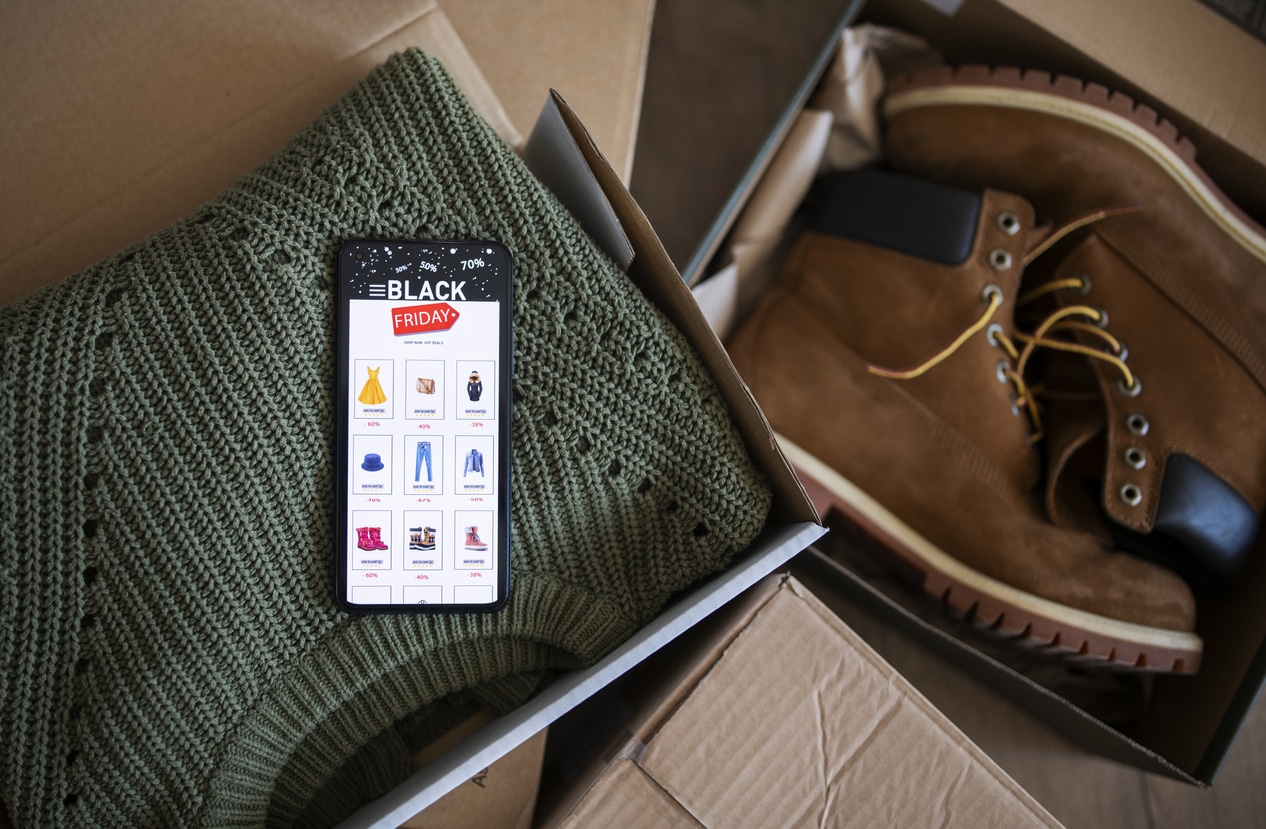
Holiday shopping is here. Both advertisers and consumers must be strategic about where they spend their dollars this holiday season. According to Insider Intelligence, advertisers will spend $1.3 billion between October and December this year. Even more importantly, research from 2021 has shown that only 4% of holiday consumers didn’t utilize digital channels to purchase goods. In 2020, retailers chose to deemphasize Christmas holidays in favor of Black Friday and Cyber Monday deals due to the pandemic. Now, budgets are returning to both as holiday spending is expected to surge even amidst inflation.
Lean into Brand Loyalty
To keep their brands relevant this holiday season, advertisers need to budget toward higher spending and scale across the internet and digital platforms. Native ads, high-impact ads, banner display, and video across all digital devices, from desktop to mobile, will be a crucial playground for those looking to be the king of the hill this holiday season with their profits. Last year, holiday shoppers started buying sooner rather than later, breaking the long tradition of last-minute gift-buying madness.
Brand loyalty programs had a lot to do with this. Brands are pushing customers to skip the door-buster deal fear and hedge their bets on earlier sales. 81% of consumers shopped for specific brands during the 2021 holiday season because they were a member. Notice an increase in ads offering Cyber deals, or even huge sales early, like right-this-instant early. It is no mistake that brands are activating earlier, more often, for the holiday season.
Retail Media
This heavier spending is leading to the emergence of a subsection of advertising called retail media. Retail media is advertising within the retailer sites and apps that builds and feeds the brand story. This technique uses both a retailer’s omnichannel properties and data each time a consumer comes into contact with the brand – from being on the brand website on their phone to being physically present in the store – to serve them content relevant to their desired experience with the brand.
Brands like Amazon are embracing this advertising method and looking to capitalize on the digital-first experience by building their brand presence into worlds for the customer to inhabit. These worlds are filled with deals and media content that indulges each area where the customer wants to interact with the brand. Brands are expected to grow their retail media spending by 27% moving into 2023 as consumers seek more authentic connections with the brands they consume.
What now?
What does this mean for digital marketers? Invest in your brands! This requires leveraging your brand’s first-party data to make informed decisions about where the customer wishes to adventure within the brand world. Building an omnichannel marketing campaign is the absolute baseline for success during the holiday season. Taking things to the next level by investing more in a specific brand’s retail media is a way to seal the deal and form a perfect digital-to-physical relationship between your brand and its customers.
If you’re ready to put your first-party data to use, contact us today.