In the fast-paced world of digital advertising, the ability to anticipate customer behavior isn’t just an advantage — it’s a game-changer. Predictive behavioral targeting offers advertisers a powerful way to unlock this potential, ensuring ads don’t just reach an audience, but the right audience at the right moment. But how exactly does predictive behavioral targeting work, and why should it be a part of your advertising strategy? In this blog, we’ll dive into the fundamentals of behavioral targeting and how predictive models can supercharge your campaigns.
Understanding Predictive Behavioral Targeting
What is behavioral targeting, and how does it differ from other forms of advertising? Simply put, behavioral targeting is a technique that uses data from a user’s online behaviors — such as search terms, website visits, or online purchases — to show relevant ads to individuals. The goal is to ensure the right message reaches the right person at the right time.
However, predictive behavioral targeting takes this a step further. It involves using machine learning algorithms and AI to predict future behaviors based on past actions. So, instead of just responding to customer behavior after it happens, you’re anticipating it, offering a more personalized and timely experience without compromising user privacy.
Examples of Behavioral Targeting
For example, if users frequently visit travel blogs and airline websites, predictive behavioral targeting might serve them ads for vacation deals, travel insurance, or hotel stays. Similarly, if someone has shown interest in fitness equipment, they may start seeing ads for gym memberships or nutritional supplements.
With predictive behavioral targeting, advertisers can go beyond simple demographic data and tap into the evolving preferences and needs of their audience, ultimately increasing engagement and conversion rates.
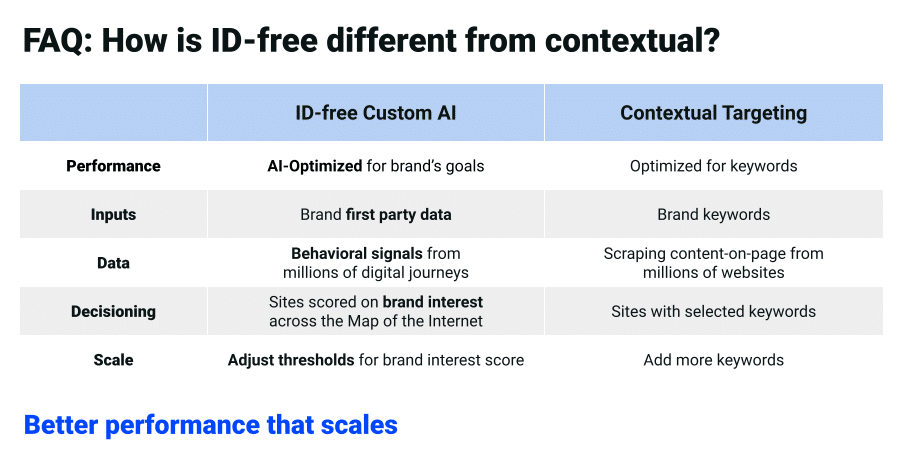
To learn more about how behavioral targeting is different than contextual targeting, click here.
How Predictive Behavioral Targeting Works
The mechanics of predictive behavioral targeting rely on data analytics, machine learning, and AI. By analyzing massive datasets, algorithms can identify patterns in user behavior and predict future actions.
Here’s a breakdown of how it works:
1. Data Observation: The process begins with collecting and observing data from various sources such as website interactions, purchase history, search queries, and social media activity. This data is critical for building a profile of each anonymous user.
2. Data Segmentation: Once the data is collected, users are segmented into different groups based on shared behaviors or characteristics. For example, users who frequently visit luxury car websites would be grouped as “high-end car buyers.”
3. Prediction Models: Using machine learning algorithms, the targeting technology then predicts what actions users in each segment are likely to take. For instance, it might predict that a user is likely to purchase a product within the next 30 days based on their previous browsing habits.
4. Ad Delivery: Finally, personalized ads are delivered to these segments, ensuring the right message is sent at the right time, boosting the likelihood of engagement and conversion.
Benefits of Predictive Behavioral Targeting
Now that we’ve covered how it works, let’s look at the benefits of using predictive behavioral targeting in your advertising campaigns. This advanced form of targeting offers multiple advantages for businesses looking to optimize their existing and new ad campaigns, no matter the vertical or campaign objective.
1. Increased Personalization: Predictive behavioral targeting allows for a more tailored approach to advertising. By understanding a user’s past behavior and predicting their future actions, brands, and agencies can create ads that resonate on a personal level, improving engagement rates and reducing wasted ad spend.
2. Higher Conversion Rates: With highly personalized ads, customers are more likely to take action. Whether clicking on an ad or making a purchase, behaviorally targeted ads are proven to increase conversions compared to generic, one-size-fits-all campaigns.
3. Better Resource Allocation: By focusing on the most relevant audiences, brands and agencies can spend their ad budgets more efficiently. Rather than casting a wide net, predictive targeting ensures that resources are directed toward users who are most likely to convert, leading to a higher return on ad spend.
4. Improved Customer Experience: By anticipating the needs of users, predictive behavioral targeting can enhance the overall customer experience. Ads are no longer seen as intrusive but as helpful suggestions based on individual preferences.
Getting Started with Predictive Behavioral Targeting with Dstillery
If you’re ready to implement predictive behavioral targeting into your marketing strategy, Dstillery can help. Our patented ID-free® targeting technology is the industry’s only predictive behavioral targeting technology without IDs. It delivers scale, performance, and privacy for advertisers’ campaigns by using AI to predict the best impressions without user tracking.
With ID-free, you can reach high-value audiences without relying on third-party cookies, ensuring your campaigns stay ahead as more and more users opt out of cookies. Start delivering ads that resonate with your audience and drive meaningful results.
Contact us to get started.